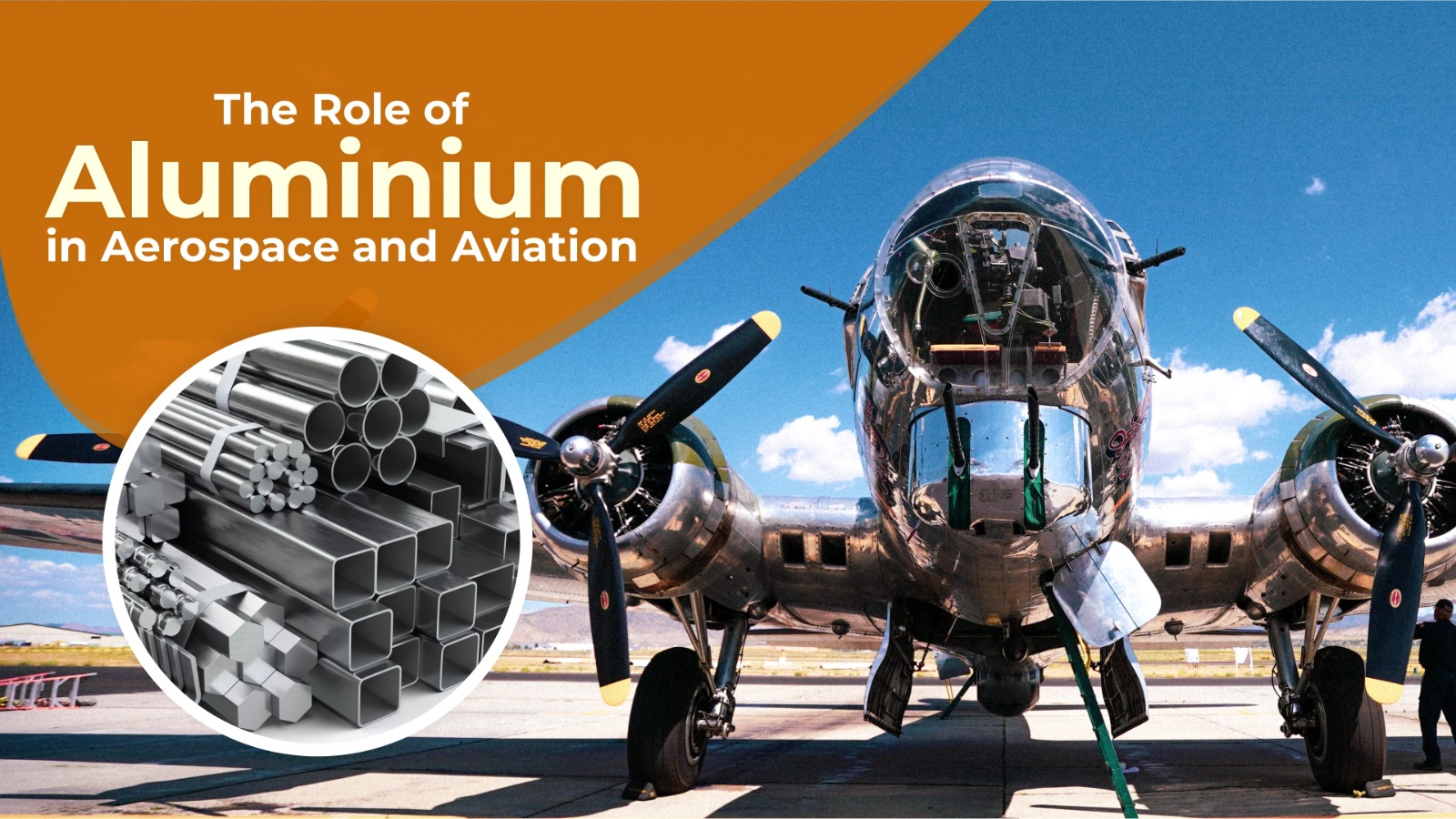
Aluminium in Aerospace and Aviation has transformed modern aircraft design and manufacturing. In an industry where performance, fuel efficiency, safety, and reliability are essential, selecting the right material plays a crucial role. Aluminium continues to be one of the most effective choices due to its strength and lightweight properties.
Today, aviation-grade aluminium contributes far beyond weight reduction. It supports better fuel efficiency, improved performance, and more efficient aircraft structures for modern aviation applications.
At INEX, innovation and precision are at the core of aluminium manufacturing. As a trusted aluminium extrusion manufacturer with integrated production capabilities, INEX delivers high-quality aluminium solutions designed for demanding industries. Through advanced manufacturing processes and strict quality standards, INEX supports global industries with reliable aluminium products engineered for performance and consistency.
Why Aluminium Continues to Dominate Aerospace Engineering
The aerospace industry demands materials that provide high strength while remaining lightweight. Aluminium offers one of the best strength-to-weight ratios among engineering materials, making it an ideal material for aircraft manufacturing.
The use of lightweight materials for aerospace helps reduce aircraft weight significantly. Lower weight directly impacts fuel consumption, operating costs, and environmental performance. Modern aircraft manufacturers continue to prioritize lightweight aircraft materials to improve overall efficiency and support sustainability goals.
Another key advantage is corrosion resistance in aviation. Aircraft are continuously exposed to moisture, temperature variations, pressure changes, and harsh environmental conditions. Aluminium naturally forms a protective oxide layer that helps prevent corrosion, ensuring structural durability and lower maintenance requirements.
Aerospace Aluminium Alloys and Their Applications
Not all aluminium materials are identical. Specific Aerospace Aluminium Alloys are developed to meet demanding aviation requirements.
Some of the Best aluminium alloys for aerospace applications include:
- 2xxx Series Aluminium Alloys – Known for high strength and fatigue resistance
- 6xxx Series Aluminium Alloys – Offer good corrosion resistance and formability
- 7xxx Series Aluminium Alloys – Deliver very high strength for structural aircraft applications
These aluminium alloys in aviation are used across a wide range of critical systems and structures.
Common aerospace aluminium applications include:
- Aircraft fuselage structures
- Wings and internal support frames
- Landing gear components
- Cabin structures
- Cargo systems
- Interior components
The use of Aircraft Grade Aluminium enables manufacturers to build stronger and lighter aircraft systems capable of withstanding demanding operational conditions.
Aluminium Aircraft Components in Commercial Aviation
Modern commercial aviation relies heavily on Aluminium Aircraft Components because of their balance between strength and efficiency.
Aluminium applications in commercial aircraft include structural sections, seating systems, overhead compartments, wing components, and support frameworks. As aircraft manufacturers focus on improving fuel efficiency, Aluminium Alloys for Aircraft continue to remain highly valuable.
The Aviation Industry Aluminium market also supports the production of specialized extruded profiles and structural systems used in aircraft interiors and engineering components.
As global passenger travel grows and airlines expand operations, the demand for lightweight and durable aviation materials continues to rise.
Sustainability and the Future of Aerospace Materials
Sustainability is becoming increasingly important within the aviation industry. Manufacturers are actively looking for ways to reduce environmental impact while maintaining performance standards.
One major advantage of aluminium is recyclability. Recycling aluminium in aerospace significantly reduces energy consumption compared to producing primary aluminium. This contributes directly to aluminium sustainability in aviation and supports global efforts toward lower carbon emissions.
The Future of aluminium in aerospace engineering is expected to include stronger alloy development, advanced manufacturing technologies, and improved material efficiency. As research continues, aluminium is likely to remain one of the leading materials shaping the next generation of aviation systems.
Why Global Industries Choose INEX as a Trusted Aluminium Manufacturer
Global industries require manufacturers capable of delivering consistency, precision, and dependable quality. INEX has established itself as a trusted aluminium extrusion manufacturer by combining technical expertise with integrated manufacturing capabilities.
As a producer of high-quality aluminium extrusion solutions, INEX supports industries that require strong, lightweight, and performance-driven materials for advanced engineering applications.
Key advantages of INEX include:
- Advanced in-house manufacturing processes
- Precision-controlled production systems
- High-quality aluminium solutions
- Custom manufacturing capabilities
- Scalable supply for industrial requirements
As industries and aviation component manufacturers seek dependable partners, INEX continues to stand out as both a trusted aluminium manufacturer and material supplier, delivering high-quality aluminium solutions that support demanding engineering and industrial applications across global markets.
Conclusion
Aluminium in Aerospace and Aviation continues to redefine modern aircraft engineering by offering an exceptional balance of strength, lightweight performance, and durability. From Aircraft Grade Aluminium and Aluminium Aircraft Components to sustainable manufacturing practices and evolving aerospace material innovations, aluminium remains central to the future of aviation.
As global aviation continues to evolve, the role of Aluminium in it will become even more significant. With experienced manufacturers like INEX delivering precision-focused solutions and high-quality manufacturing standards, industries can confidently invest in materials designed for long-term performance and global competitiveness.